What to Wear to Work: Build a Capsule Wardrobe That Actually Fits Your Job
Building a work capsule wardrobe can make getting dressed for the office faster, easier, and far less stressful — especially when your clothes actually suit your role, lifestyle, and climate. This guide will show you how to create a practical capsule wardrobe for work with versatile pieces that mix and match effortlessly, without wasting money on clothes you’ll never wear.
I remember the excitement of returning to the workforce after divorce. The process of getting there was littered with dozens of applications sent, practice interviews conducted at my kitchen table, and finally the celebration and deep satisfaction of landing a job that I was perfect for. I had finally proven that the skills I had were viable in a ‘real’ work environment. This was the first hurdle in overcoming the sense of imposter syndrome that comes with re-entering a professional space that you haven’t been a part of for over a decade.
The next challenge for me was embodying the role and specifically allowing myself to look and feel confident at work by having the right attire.
A New Life Chapter Requires a New Approach to Dressing
It didn’t take me long to realize that the wardrobe that made up my married life and divorced life didn’t have much in common with the wardrobe that would need in my working life. I had been subsisting on clothing staples like jeans, t shirts, athleisure, and the occasional going out dress. I was experiencing a true “I have nothing to wear” moment.
I knew I needed to get clothes that would work in my new office environment, but I was also wary about overspending and overdoing it, honestly. One of my biggest pet peeves is having a full closet of clothes and feeling like I have nothing to wear. In the spirit of this, I decided to take a new approach to gathering a work capsule wardrobe and be thoughtful about the pieces I acquired.
First Rule of Curating a Wardrobe - Buy For The Life You Have Now
In the past I’ve had to learn the hard way that what I WANT to wear is not always what I ought to wear for my current life. For example, when I had an infant it would have been wildly impractical to wear blazers all the time – even though in a past life I loved blazers. Additionally, the climate I live in (a subtropical one) leaves little room for outerwear.
With that in mind, I had to think about things like what my role was, what the weather is normally like, what the industry expects, and how I want to present myself when I go to work.
This blog post contains the steps that I took to put together my first work capsule wardrobe – a small, intentional collection of clothes that I could rely on when I needed to rush out the door. The pieces actually fit my job, the climate I live in, and my personality. I also managed to do it without draining my bank account, which I was quite proud of.
What Is a Work Capsule Wardrobe?
A work capsule wardrobe is a small collection of versatile pieces that mix and match easily. The idea is to have fewer items while still being able to have plenty of outfit options.
The cardinal rule is that it has to fit your real life.
Your work capsule wardrobe will look completely different if you’re a lawyer in court every day versus someone working in a creative design office. Don’t copy someone else’s formula blindly. Build one that works for you. It might take some strategic thinking to have a full grasp on what you need, but you’ll be happy you did so when you don’t have to stress about what to wear every morning.

Step 1: Define Your Actual Work Life
Before you buy a single thing, answer these questions:
1. What climate do you live in?
This seems like such a silly and obvious question, but if you’re if you’re in a subtropical city like Brisbane, Australia, the wardrobe staples of the New York girls is not likely to be suitable. For example, I’m not investing in the number of overcoats that someone in a cold climate would. In fact, most of my wardrobe for 365 days of the year is well suited to simple slacks and a short sleeve blouse, save the cozy cardigan I carry with me even on the hottest of days – remember, offices are notorious for aggressive air conditioning.
My wardrobe usually requires:
Breathable fabrics for commuting
A cardigan or blazer you can throw on indoors
Layers that don’t feel bulky
Your capsule needs to account for both the weather and the office thermostat.
2. What does appropriate office attire look like at your company or in your industry?
On my first day in the new role, I arrived in my most formal outfit to be safe. It was more structured and polished – even down to the uncomfortable loafers. I quickly realized the women in the office were wearing white sneakers and I haven’t worn “real shoes” to work since. I’ve since settled into a more casual, monochromatic uniform of a blouse and trousers or a skirt.
3. Who do you want to be at work?
I work in a creative field. I’m also one of the older ones in the cohort, even though I’m one of the newer employees. Wearing overly formal, corporate pieces doesn’t feel authentic to me nor to the creative role that I have.
Rather than fully formal attire I focus more on relaxed tailoring, comfortable white sneakers, simple jewelry, and monochromatic clean lines. This reflects the approachable sensibility I want to convey at work.
Step 2: Find Style Inspiration
Inspiration helps you clarify your aesthetic. A good place to start is Pinterest or even searching for what work attire looks like for your industry. Save what you’re drawn to, then go one step further and look at real street style photos. It’s important to see real people with real proportions.
Pay attention to:
Silhouettes
Colour palettes
Repeating pieces (blazers? wide-leg pants? sneakers?)
You’ll start to see patterns in what you genuinely like.
Step 3: Shop Your Closet First
Before spending a dollar, audit what you already own. There’s a good chance you’ve already got neutral basics but make sure they’re in good condition and are made of quality fabrics. You may already have the bones of a capsule wardrobe once you’ve gone through your existing pieces.
Step 4: Buy to Fill the Gaps
If you’ve put the time and thought into your wardrobe planning you are probably now ready to put in the time to actually shop for new pieces. Yes, you can go straight to your favorite store, but why not check out these budget-friendly alternatives first?
✔ Check thrift stores
The quality of many mainstream retailers has declined. People are paying $100 for polyester and calling it premium.
Thrift stores often have:
Better fabrics
Solid neutral basics
Well-made older pieces
You’ll spend less, and if something doesn’t work, it didn’t cost a fortune. You’re also recycling instead of feeding fast fashion.
✔ Use eBay strategically
Search slowly over time for specific items:
A quality blazer
Leather loafers
A structured bag
This is a good way to refresh the wardrobe after you’ve been working at your role and have a better sense of the exact kind of outfits you want. This is a great strategy if you have a favorite brand.
Step 5: Decide How Many Outfits You Actually Need
How many days are you physically in the office?
I work hybrid and go in two days a week. I have about five outfits that I rotate and mix and match. That’s more than enough.
If you’re in five days a week, you might aim for:
5 tops
3–4 bottoms
1–2 layering pieces
2 shoe options
Everything should work with everything else.
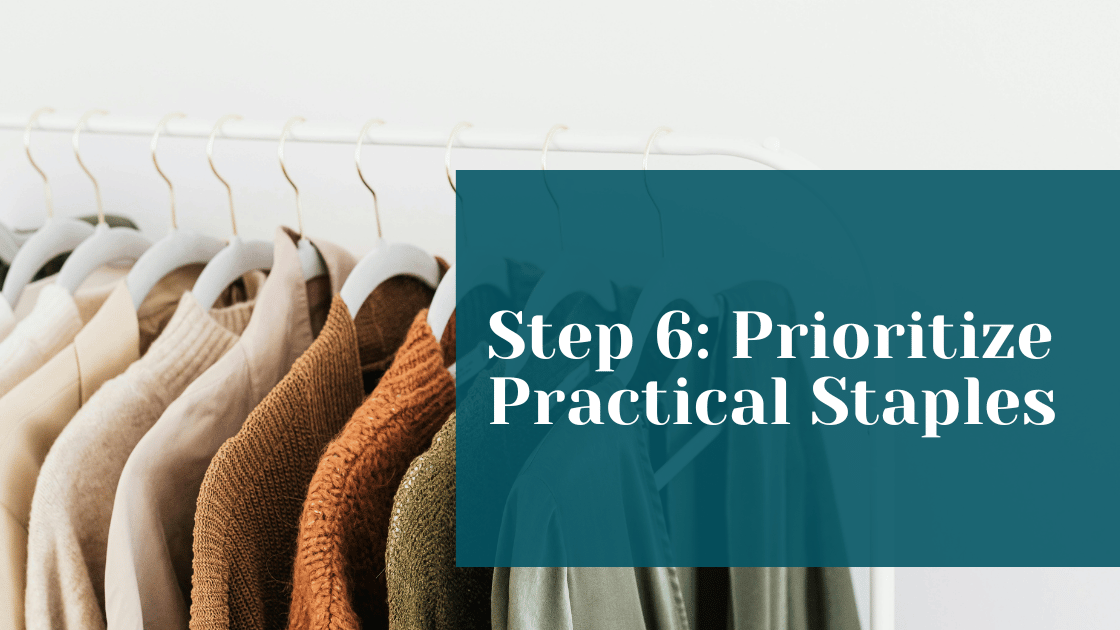
Step 6: Prioritize Practical Staples
Here’s what often earns its place in a simple work capsule wardrobe:
Layering Piece
Blazer or cardigan (especially in over-air-conditioned offices)
Neutral Bottoms
Tailored trousers
Wide-leg pants
Dark denim (if appropriate for your office)
Versatile Tops
Structured tee
Lightweight knit
Button-down
Simple blouse
Shoes
White sneakers (if your office allows)
Loafers or flats
Comfort matters more than impressing someone who isn’t paying attention.
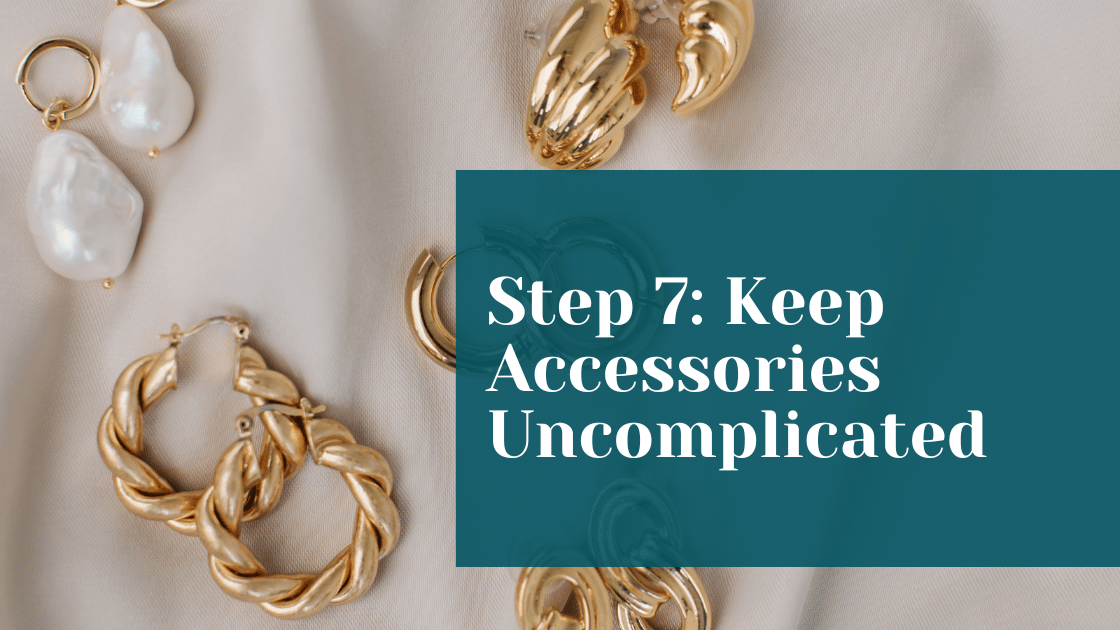
Step 7: Keep Accessories Uncomplicated
Accessories are how you personalize a small wardrobe. Do what feels right for you.
My approach is simple:
Earrings
Necklace
Watch
Bracelet
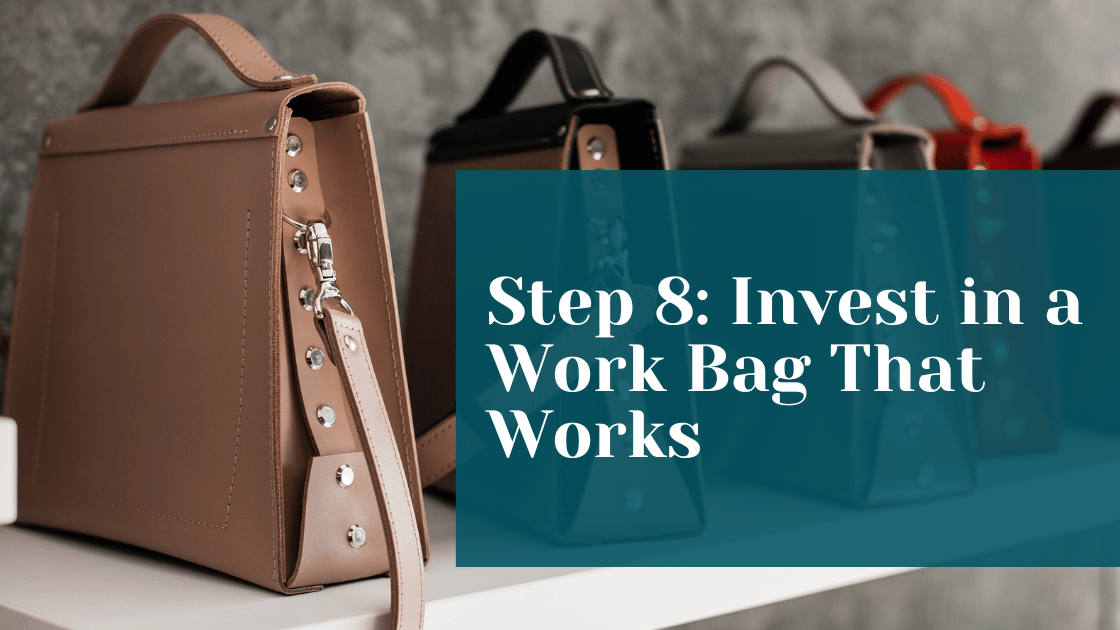
Step 8: Invest in a Work Bag That Works
Again, I prefer to keep it simple here. The caveat for me is that I need a bag that fits my work laptop. For this reason I have one tan faux leather tote and one black nylon tote that converts into a backpack (easier for when I’m walking through the city). Both are structured enough for work and neutral enough to match everything.
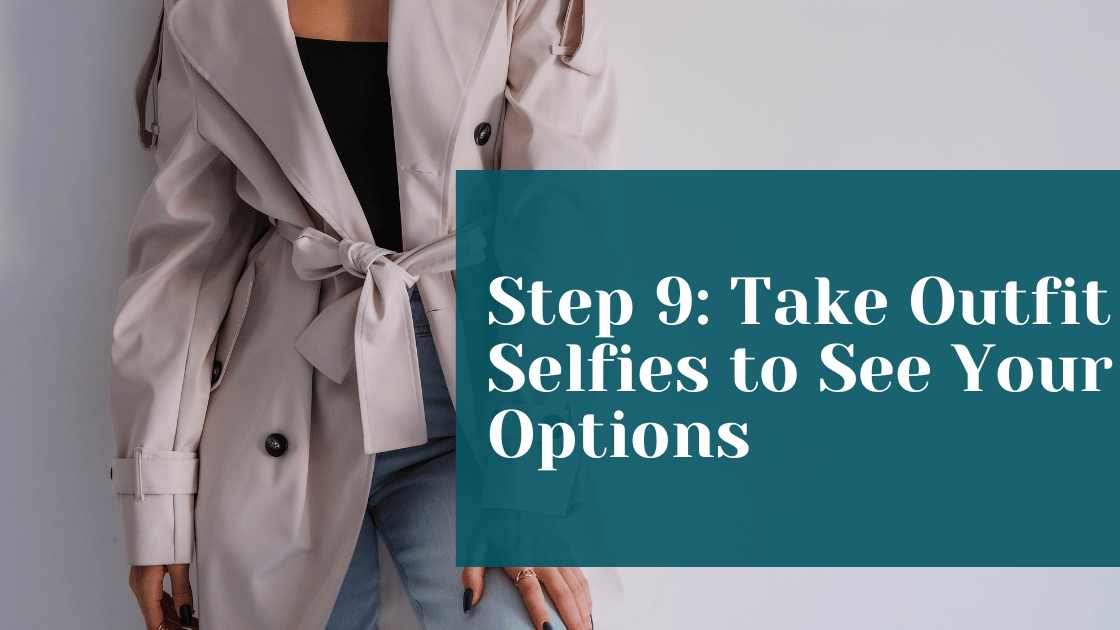
Step 9: Take Selfies In Your Complete Work Outfit Options
The last bit of preparation that I do is take photos of my full outfits and bags and how they mix and match together, so I always have a sense of what I want to wear. I save them in a folder in my phone gallery. Each time I add a new piece I take a new photo of the outfits that I can put together with it.
The real benefits of a capsule wardrobe
The reason I rely on a capsule wardrobe for work is ultimately because it helps me prevent decision fatigue, keeps me from spending too much (I’d rather put my fashion budget toward the fun clothes and event dressing) and I feel good in tried and true pieces. Don’t worry if it doesn’t come together for you overnight. In fact, if you’re able to curate it over time it might have more longevity. Remember to smart stall, build slowly, and pay attention to what you actually wear. Once you get it right, getting dressed for work can become the easiest part of your day.
